
Cultural insights into gambling How beliefs shape behaviors
Cultural Variations in Gambling Practices
Cultural backgrounds significantly influence gambling practices across the globe. In many Western societies, gambling is often viewed as a form of entertainment, with casinos and lotteries integrated into daily life. People engage in these activities without heavy societal stigma. Additionally, many are curious about platforms like mythoswincasinoonline.com, which offer a modern twist on the traditional gambling experience. In contrast, in many Eastern cultures, gambling can carry a more complicated stigma, often intertwined with deep-seated beliefs about luck, fortune, and spirituality, which dictate when and how gambling is acceptable.
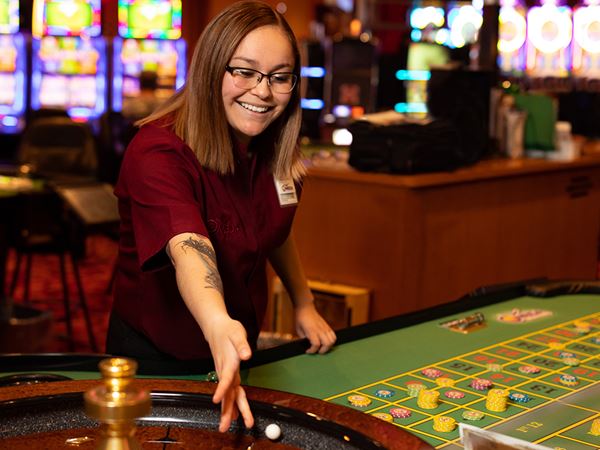
For instance, in Japan, gambling is tightly regulated, with only specific forms like Pachinko being legally permissible. This reflects a broader cultural narrative that ties gambling to luck and fate, suggesting that it is not merely a game but a reflection of one’s destiny. Meanwhile, in countries like the United States, the liberal attitude towards gambling has led to a thriving industry where casinos are often seen as tourist attractions, emphasizing the more casual approach to this activity.
These cultural attitudes can determine not just participation rates but also the types of games that are popular and the social environments in which gambling occurs. For example, community-based games are prevalent in cultures with strong communal ties, while individualistic societies may promote solitary gambling activities. Understanding these variations is essential for both marketers and sociologists in comprehending the broader implications of gambling behavior.
The Role of Beliefs and Superstitions
Beliefs and superstitions play a critical role in shaping gambling behaviors across different cultures. Many gamblers have specific rituals or practices that they believe will enhance their chances of winning, reflecting a deep-seated psychological need for control over an inherently uncertain activity. These superstitions can vary widely; for instance, some players might wear lucky clothing or perform certain actions before placing a bet, believing that these practices will influence the outcome.
The phenomenon of luck is particularly fascinating in this context. In cultures with a strong emphasis on luck and fate, such as in many Asian countries, gamblers might rely on fortune tellers or astrology to guide their gaming decisions. Such beliefs can create complex motivations behind gambling that go beyond mere monetary gain, integrating elements of spirituality and cultural identity.
This relationship between belief systems and gambling behavior underscores the psychological dimensions of the activity. For many, the act of gambling becomes less about winning or losing and more about the emotional experience tied to their beliefs. The MythosWin casino illustrates how platforms can adapt to various cultural nuances, thereby aiding in developing more effective responsible gambling initiatives that resonate with various cultural groups.
The Impact of Social Context on Gambling
The social context in which gambling occurs is vital to understanding its role in different cultures. In many societies, gambling is a social activity, often enjoyed in groups during celebrations or communal gatherings. This aspect fosters a sense of belonging and shared experience, which can either encourage responsible gambling behavior or exacerbate problematic tendencies, depending on the cultural norms surrounding gambling.
In contrast, in cultures that stigmatize gambling, the social context might lead individuals to engage in gambling secretly, further complicating their relationship with the activity. The lack of a supportive social network can heighten the risks associated with gambling, leading to issues like addiction without the necessary interventions from friends or family.
Moreover, social media and online platforms have transformed the gambling landscape, allowing for new social interactions to emerge. For example, virtual gambling communities have developed, where players share strategies and experiences, often influenced by their respective cultural backgrounds. This evolution highlights the importance of community in shaping gambling behavior and underscores the need for culturally sensitive approaches in both marketing and responsible gambling campaigns.
Regulatory and Economic Factors
Regulatory frameworks governing gambling vary widely from one country to another, directly influencing cultural perceptions and behaviors. In some regions, strict regulations may create a sense of exclusivity around gambling, while in others, a laissez-faire attitude can normalize the activity. For instance, countries with heavily regulated gambling industries often promote responsible gambling initiatives, which can lead to healthier gambling behaviors among the populace.
Economic factors also play a crucial role in shaping gambling behaviors. In societies where gambling revenues contribute significantly to local economies, there may be a cultural push to normalize gambling as a source of entertainment and income. This normalization can lead to increased participation rates and a shift in cultural attitudes, making gambling an accepted aspect of everyday life.
Conversely, in regions where economic hardship is prevalent, gambling might be viewed as a desperate means of escape or quick wealth generation, leading to riskier behaviors and higher rates of addiction. Understanding these regulatory and economic contexts is essential for those looking to engage with diverse audiences in the gambling industry, ensuring that approaches are tailored to local attitudes and conditions.

Exploring MythosWin Casino and Its Cultural Approach
MythosWin casino provides an intriguing case study on how cultural insights can shape gambling behaviors. With a deep understanding of various cultural attitudes toward gambling, MythosWin has positioned itself to cater to a diverse clientele. By emphasizing a user-friendly interface and promoting a seamless gambling experience, the casino attracts players from various cultural backgrounds, each bringing their beliefs and expectations.
The platform’s design reflects an appreciation for cultural nuances, offering games that resonate with different users while incorporating elements that might appeal to local traditions or superstitions. By leveraging cultural insights, MythosWin not only enhances user engagement but also promotes responsible gambling practices that align with the values of its diverse player base.
In a world where gambling behavior is heavily influenced by cultural beliefs, platforms like MythosWin exemplify how understanding these dynamics can lead to a more responsible and inclusive gambling environment. By prioritizing cultural sensitivities, MythosWin contributes to a broader narrative that celebrates diversity while promoting healthy gambling habits among its users.
No responses yet